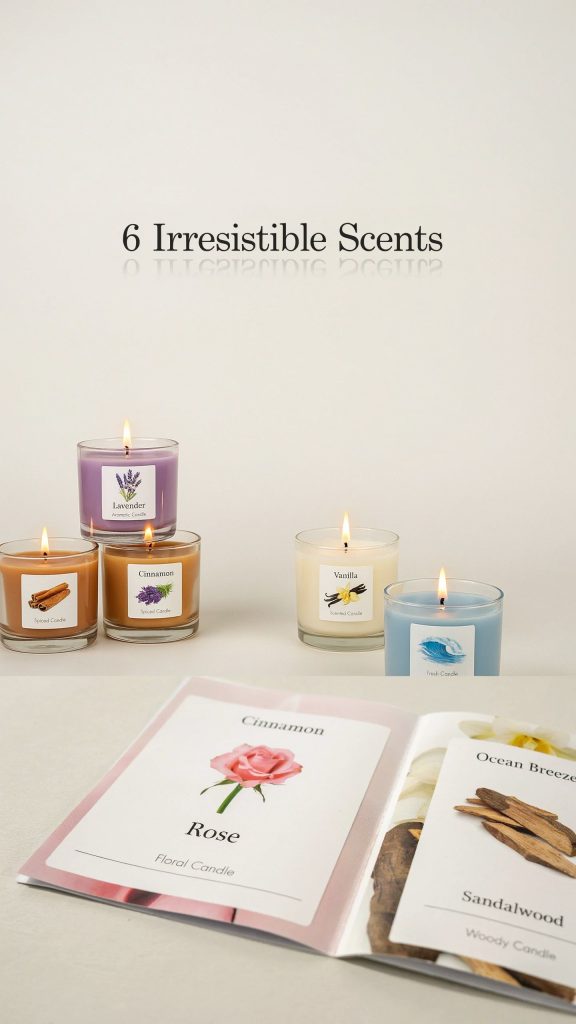
If you are new to the world of scented home accessories, you might feel a little overwhelmed by all the choices. Candles, diffusers, ceramic holders, and trays can transform a bare room into a warm, personal space. I remember my first attempt at aromatic home decor ideas – I bought three different vanilla candles and a reed diffuser that smelled like a bakery. The result was a cluttered shelf and a headache from competing scents. After a few trial-and-error rounds, I learned that a calm, cohesive look comes from simple choices and thoughtful placement. This guide is written for absolute beginners, assuming you have never arranged a diffuser or styled a candle before. We will walk through scent selection, arrangement tips, and practical tricks to keep your space serene without turning it into a candle shop.
Choosing Your First Candle and Diffuser Scents
Before you buy anything, think about the mood you want in each room. For a bedroom, soft floral or calming lavender works well. A living room might call for woodsy or citrus scents that feel fresh but not aggressive. I like to start with one signature scent per room rather than mixing three different ones. If you are unsure, pick a single-note candle like clean cotton or eucalyptus and match your diffuser to that same fragrance family.
When you shop, look for candles labeled “soy wax” or “coconut wax.” These burn more cleanly and last longer than paraffin. For reed diffusers, the oil quality matters more than the bottle design. A cheap diffuser can smell overly synthetic. Spend a few extra dollars on a brand that uses essential oils or natural fragrance blends. Your nose will thank you.
A quick rule of thumb for beginners: start with one candle and one diffuser in the same room. See how the scent layers before adding more. You can always build up later once you understand how the two interact.
Candle Arrangement Styling for a Calm Home
Now that you have your first candle, where do you put it? The easiest approach is to group candles of different heights together. A tall pillar candle next to a shorter jar candle creates visual balance. Do not place them too close to each other – leave at least two inches between burning candles to prevent heat damage and to let each flame breathe.
I prefer using a tray or a small wooden board as a base. This catches any wax drips and defines the display area. Here is a simple bullet list of items you can use to anchor your candle arrangement:
- A ceramic or stone coaster
- A rectangular wooden breadboard
- A small woven placemat
- A marble or slate tile (leftover from a project)
- A shallow glass dish
If you have multiple candles, keep them within the same color family. White, cream, and beige candles look serene. Bright neon colors can feel distracting in a calm space. Scented candles also look lovely inside a clear glass holder. Just make sure the holder is heat safe and wide enough to let air circulate around the flame.
Reed Diffuser Placement and Maintenance
Reed diffusers are the low-maintenance cousins of candles. You fill a bottle with scented oil, insert porous reeds, and the fragrance travels up the reeds into the air. They do not require a flame, so you can place them almost anywhere. For best results, put the diffuser in a spot where air moves gently, like a hallway or near a window. Avoid placing it right next to a heater or air vent, because rapid air movement will evaporate the oil too quickly.
A mistake I made early on was putting my diffuser on a high shelf. The scent stayed near the ceiling and I barely noticed it. Instead, place the diffuser at waist height or lower, such as on a side table or a low console. You can flip the reeds every week or two to refresh the fragrance. When you flip them, put a paper towel underneath because the oil can drip. One flip per week is enough – flipping too often makes the oil evaporate faster and shortens the life of your diffuser.
Ceramic holders for diffusers are a great way to hide the bottle if you do not like its label. Look for a small ceramic pot or a stoneware cup that fits the diffuser bottle snugly. Some people even repurpose a pretty coffee mug. Just ensure the bottle is stable and the reeds are visible above the rim.
Combining Candles and Diffusers in One Room
Can you use a candle and a diffuser in the same room without the smells fighting each other? Yes, but you need to match their scent profiles. Pair a citrus candle with a citrus diffuser, or a lavender candle with a chamomile diffuser. If you want variety, use a candle with a warm note like vanilla and a diffuser with a fresh note like mint. The contrast can work as long as neither scent dominates.
I recommend lighting the candle first and letting it burn for about thirty minutes. Then notice how the diffuser scent interacts. If you feel overwhelmed, move the diffuser to a different area of the room. In a small bedroom, just one scent source is often enough. In a larger living room, you can have both, but keep them at least five feet apart. This avoids that clash of fragrance layers that feels like a perfume department.
Another tip is to use candles and diffusers in different zones. For example, place a diffuser near the entryway to greet guests with a light scent, and light a candle on the coffee table for a cozy evening vibe. They will blend naturally without competing because they are not right next to each other.
Ceramic Holders and Trays to Keep Things Tidy
Ceramic holders do more than just look pretty. They protect your furniture from heat marks and oil stains. I have a small collection of handmade ceramic trays that I rotate depending on the season. In winter, I use a dark matte tray that matches the cozy mood. In spring, a light glazed tray with floral pattern feels fresh. You do not need to spend a lot. A simple white ceramic saucer from a thrift store works wonderfully.
For candles, look for holders that are slightly wider than the candle base. This gives stability and catches any melted wax. For diffusers, a small ceramic cup that the bottle slides into hides the label and adds a decorative element. You can also place your diffuser on a tiny tray to catch any accidental drips when you flip the reeds.
If you want a cohesive look, keep your trays and holders in the same material family. All ceramic, all wood, or all glass ties the display together. Mixing too many textures can look messy. I stick to two materials max per shelf. Right now I have a wooden tray with a white ceramic candle holder and a glass diffuser bottle. The combination feels natural and not overstyled.
Creating a Cozy Sanctuary Decor with Candles and Diffusers
A cozy sanctuary does not require a whole room. It can be a corner of your bedroom, a window seat, or even a desk nook. Start with one candle as the focal point. Place it on a small table or a stack of books. Add a diffuser nearby, but not on the same surface if the surface is small. I like to put my diffuser on a shelf above the candle so the scents mingle in the air without overwhelming the tabletop.
Soft lighting is key. Candlelight alone is often too dim for reading, so I also keep a warm lamp nearby. The combination of gentle light and a consistent scent creates a mood that helps me wind down after a long day. If your diffuser scent fades after three weeks, you can add a few drops of essential oil directly into the bottle to revive it. Just do not overfill or the oil may leak.
A cozy sanctuary also benefits from a few personal touches. A blanket, a plant, and a book complete the scene. The candles and diffusers should feel like part of the space, not like a store display. I keep my diffuser on a stack of old paperbacks that I already read. The visual layers add interest and the scent stays gentle.
Budget Friendly Ways to Refresh Your Space
You do not need to buy expensive decor to get a serene aromatic home. Small changes make a big difference. Instead of buying a full set of candles, start with one well-scented candle and one mid-range diffuser. Use a simple ceramic dish from a dollar store as a holder. Repurpose a glass jar from the kitchen as a vase for your diffuser reeds. Just clean the jar thoroughly and remove any labels.
Another budget trick is to buy unscented candles and add your own essential oils. Melt the candle slightly, drop in a few drops of oil, and let it cool. This lets you control the strength and avoid paying for branding. For reed diffusers, you can make your own with a small bottle, a carrier oil like fractionated coconut oil, and essential oils. There are many online recipes. Homemade diffusers are not as strong as store-bought ones, but they are gentle and cheap.
Thrift stores and flea markets often have beautiful ceramic bowls and small trays for a dollar or two. A quick sanding or a coat of paint can update the look. I found a chipped teapot for fifty cents and now use it as a candle holder. The chip does not matter because the candle hides it. These little finds make your home feel personal instead of copied from a catalog.
Starting with aromatic home decor does not require a big budget or a design degree. A single candle on a clean tray, a diffuser on a low shelf, and a consistent scent palette can make any space feel more restful. I hope these ideas encourage you to experiment slowly. Your home should smell like you, not like a store.
If you have a corner that needs a little warmth, try one of these setups this weekend. Light your candle, flip your diffuser reeds, and sit with a cup of tea. Notice how the room changes. Then maybe share a photo with a friend. Small changes add up to a calm, inviting home.
#aromatichome #candledecor #diffuserstyling #homedecorideas #cozyhome