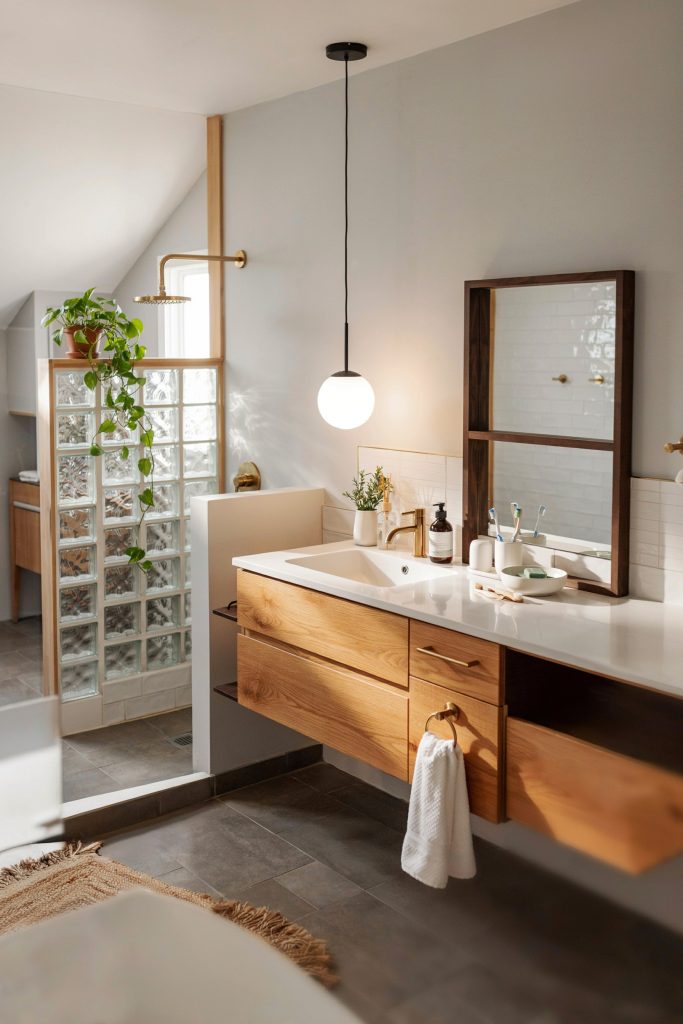
Why Brown Tile Bathrooms Are Making a Comeback
If you have been scrolling through Pinterest or flipping through design magazines lately, you have probably noticed a shift. White and gray bathrooms are stepping aside, and brown tile bathroom ideas are filling the feed. This is not the brown of the 1970s avocado or harvest gold era. It is a modern, earthy brown that feels warm, grounded, and surprisingly fresh. I have seen it work in tiny powder rooms and in big master suites, and it always brings a sense of calm that cool colors just cannot match.
The reason brown tile bathrooms are popular again comes down to how we want to feel in our homes. After years of sterile minimalism, many of us crave warmth. Brown tones connect us to nature, to wood, to soil, and to cozy textures. When you choose a brown bathroom tile, you are not just picking a color. You are setting a mood. And the best part? You do not need to be a designer or a contractor to pull it off. This guide is written for anyone starting from zero, whether you are planning a full remodel or just refreshing a rental.
Choosing the Right Shade of Brown for Your Bathroom
Brown is not one color. It is a whole family of hues, from milky coffee to deep chocolate, from sandy beige to rich walnut. If you are new to home design, the biggest mistake I see is picking a shade based on a small sample in the store without thinking about the light in your own bathroom. A tile that looks soft and warm under bright fluorescent lights can turn muddy or gray in your actual space.
To keep things simple, think in terms of undertones. Brown tiles with warm undertones (hints of orange, red, or yellow) feel cozy and welcoming. Those with cool undertones (touches of gray or green) feel more neutral and Scandinavian. For a modern warm bathroom decor look, aim for warm undertones. Try a caramel glazed ceramic tile or a matte brown porcelain that resembles natural stone. If you want a foolproof starter choice, go with a medium brown that has a slight taupe or beige cast. It will not overpower a small room, and it pairs well with nearly any fixture color.
Pairing Brown Tiles with Modern Fixtures and Finishes
Once you have chosen your brown tile, the next step is figuring out what goes with it. This is where many beginners get nervous, but it is actually pretty straightforward. Brown is a neutral, so it plays well with other neutrals, and it can also handle a pop of color. For a modern bathroom design that feels current, pair brown tiles with matte black fixtures. Black faucets, showerheads, and cabinet handles create a crisp contrast that keeps the brown from looking dated.
You can also go with brushed brass or unlacquered brass. The warm yellow of brass harmonizes beautifully with earthy brown tones. I have seen a small bathroom with brown penny round tiles on the floor, a brass wall mount faucet, and a simple wood vanity. It looked like a spa. If you prefer a more subtle look, brushed nickel or chrome work fine too, but they lean cooler, so you might want to add a few warm elements like a wooden stool or a woven basket to bring back the cozy factor.
Here is a quick list of fixtures that work well with brown tiles, based on my own projects and client experiences:
- Matte black for a bold, modern edge
- Brushed brass for a warm, vintage inspired feel
- Polished chrome if you want a clean, classic look (add warm accessories)
- Oil rubbed bronze for a darker, moody vibe
- White or off white toilets and sinks to keep the room airy
Small Bathroom Solutions: How to Use Brown Tiles Without Overwhelming the Space
One of the most common questions I hear is, “Won’t brown make my small bathroom feel even smaller?” It is a fair concern. Dark colors can shrink a space if you use them wrong. But the key is balance, not avoidance. You can absolutely have a brown tile bathroom in a tiny room. The trick is to use brown as an accent or on one surface rather than covering every wall and floor.
For example, try brown subway tiles on the lower half of the wall (a classic wainscot look) and paint the upper half a warm white or soft cream. This draws the eye upward and keeps the room feeling open. Another idea is to use brown hexagonal tiles on the floor only, and keep wall tiles light. A medium brown floor can actually make a small room feel grounded and intentional. If you want to go bolder, use a brown mosaic accent strip around the shower or behind the vanity mirror. It adds personality without overwhelming the square footage.
Lighting also plays a huge role. In a small space, make sure you have good overhead lighting and at least one sconce or vanity light. Warm white bulbs (around 2700K to 3000K) will enhance the brown tones and prevent them from looking dull. Avoid cool white or daylight bulbs, because they can wash out the warm hues and make the tile look flat.
Grout, Lighting, and Texture: The Details That Matter
If you are tackling a brown tile bathroom for the first time, you might not think about grout. But grout color can make or break the final look. For brown tiles, I almost always recommend a grout that is a few shades lighter than the tile. It creates a subtle grid pattern that adds visual interest without competing. White grout can look too stark, especially with darker browns. A warm beige or sand colored grout is usually the sweet spot.
Texture is another detail that beginner remodelers often overlook. Brown tiles come in many finishes: glossy, matte, textured like stone, or even hand painted with slight variations. For a warm bathroom decor, I lean toward matte or satin finishes. They feel softer and more natural, and they hide water spots better than high gloss. If you use glossy brown tiles, keep them to small areas like a shower niche or a backsplash, because they can feel slippery underfoot and show every drop.
Lighting fixtures should also complement the tile. If your brown tile has a lot of variation or a stone like texture, use directional lighting (like adjustable recessed lights) to highlight those details. If the tile is smooth and uniform, a soft ambient light from a flush mount or pendant works well. Natural light is a bonus, but if your bathroom lacks windows, consider adding a large mirror across from the light source to bounce illumination around the room.
Three Realistic Brown Tile Bathroom Layouts to Try
Sometimes seeing a real layout helps more than reading general advice. Here are three specific bathroom setups that use brown tile in different ways. All of them are beginner friendly and do not require professional tiling skills if you use the right materials.
Layout 1: Warm Minimalist Use 4×12 inch matte brown subway tiles in a stacked pattern on the shower wall from floor to ceiling. Keep the rest of the walls white. On the floor, use large format white porcelain tiles with subtle veining. Add a floating walnut vanity and a round mirror. This layout works in bathrooms of any size because the brown is concentrated in one area, and the white opens up the rest.
Layout 2: Earthy Glam Choose 2×2 inch brown glass mosaic tiles for the backsplash behind the sink, and use a larger brown porcelain tile (like a 12×24 inch) on the floor. Keep the walls a soft beige or cream. Install a matte black faucet and a framed mirror with warm gold accents. Add a small plant on the vanity. This is ideal for a medium sized guest bathroom where you want a touch of luxury without going overboard.
Layout 3: Cozy Cottage Use brown hexagonal tiles on the floor in a dark chocolate shade. Paint the walls a pale oatmeal. Add a clawfoot tub with a handheld shower, and use white wainscot paneling on the lower half of the walls. This look is forgiving of imperfections and easy to install yourself with peel and stick hex tiles. The contrast between the dark floor and light walls keeps the room from feeling heavy.
Frequently Asked Questions About Brown Tile Bathrooms
I have gathered a few questions I get all the time from people who are new to brown tile. If your question is not here, feel free to leave a comment below.
Will brown tile go out of style again? Not likely. Brown is a natural earth tone, and nature does not go out of style. The current trend is about bringing warmth and authenticity into homes, which is a long term shift, not a passing fad. As long as you choose a finish and layout that feels intentional rather than novelty, your bathroom will stay relevant.
Can I use brown tile with a colored vanity? Absolutely. Brown pairs well with sage green, navy blue, and even soft blush pink. Just keep the vanity color a few shades lighter or darker than the tile to create contrast. I have seen a dark brown tile floor with a sage green vanity, and it looked incredible.
How do I clean brown tile without damaging it? Most ceramic and porcelain tiles are easy to clean with a mild PH neutral cleaner and a soft cloth or sponge. Avoid abrasive scrubbers, especially on matte finishes, because they can leave micro scratches that show more on dark surfaces. For grout, use a sealant once a year to prevent stains.
Brown tile bathrooms are not just a trend. They are a return to comfort and connection in the spaces we use every day. Whether you start with a small backsplash or go all in with a floor to wall design, the warmth of brown will make your bathroom feel like a place you actually want to spend time in. Take a few minutes to look at pictures, visit a tile store, and hold samples up against your existing fixtures. Your future self will thank you for creating a room that feels grounded and calm.
Have you tried brown tiles in your bathroom? What shade and layout worked for you? I would love to hear your experience, or answer any questions you still have. Save this article for your next remodel, and share it with someone who is ready to move on from all white bathrooms.
#browntilebathroom #modernbathroomdesign #warmbathroomdecor #earthyhomedesign #bathroominspo