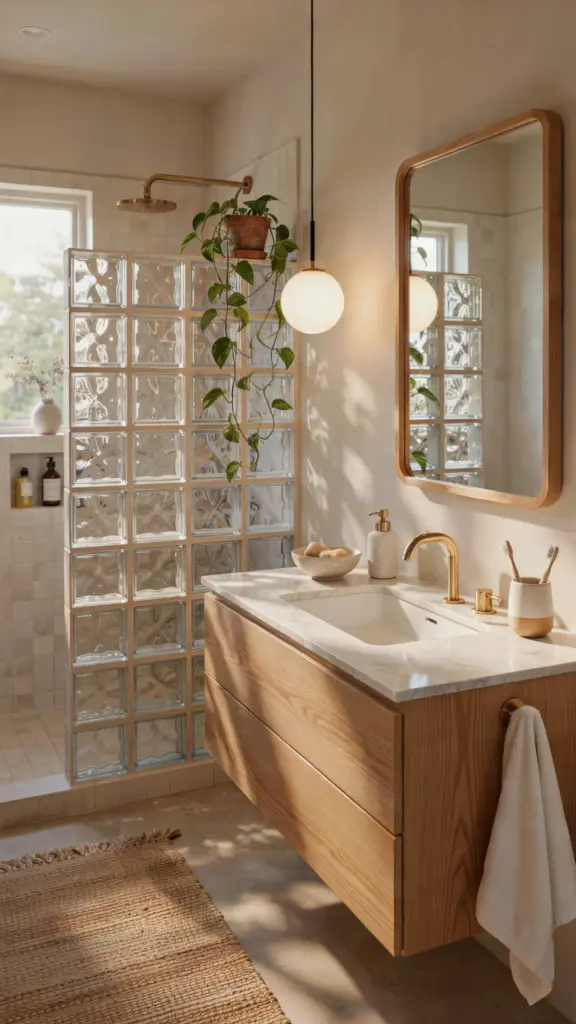
You have probably seen a dozen brown tile bathroom makeovers that look more like a cave than a cozy retreat. I made that mistake myself the first time I tiled a small bathroom. The result was dark, flat, and honestly kind of depressing. But here is the good news: brown tile bathrooms can feel fresh, modern, and even airy if you avoid the common pitfalls. I have renovated three small bathrooms over the years, and I have learned exactly what works and what does not. Let me walk you through the biggest mistakes and how to fix them so you can get that warm, earthy space you are after.
Mistake #1: Choosing a Brown Tile That Is Too Dark or Too Flat
The first mistake I see (and made) is grabbing the darkest brown tile on the shelf because it looks dramatic in the showroom. In a small bathroom with limited natural light, that same tile turns the room into a shoebox. You need brown tiles with some variation in tone and a slight sheen. Matte is fine, but avoid truly flat finishes that absorb all light.
Look for tiles that have a veined or speckled pattern. Think of a chocolate bark with lighter and darker swirls. That natural visual texture keeps the wall from feeling like a solid block of color. If you already have very dark brown tiles, balance them with a lighter grout. A warm beige or ivory grout will break up the mass and add some air to the space.
Mistake #2: Forgetting to Pair Brown Tile with Natural Wood Accents
Brown tile alone can feel sterile, no matter how expensive it is. The trick to making it feel inviting is to mix in natural wood decor. I learned this the hard way when I installed beautiful dark brown subway tile and then put a white vanity in front of it. The whole room looked like a dentist office with an accent wall.
Add a light wood vanity, open shelves, or a wooden stool. The contrast between warm brown tile and light oak or bamboo creates depth. One of my best decisions was a floating walnut shelf with a teak soap dish. It instantly made the room feel grounded and organic. If you cannot change your vanity, add a wooden mirror frame or a small wooden ladder for towels.
Mistake #3: Ignoring the Balance Between Dark and Light
A common mistake is going all in on brown without any lighter elements to open up the space. This is especially dangerous in a small bathroom renovation. You need a clear balance. Think of it as a ratio: 60% brown tile on one wall or floor, 30% light wood or white, and 10% accent pieces like brass or green plants.
For example, use brown floor tiles and keep the upper walls white or a soft cream. Then add a light wood vanity and a white sink. That way the brown anchors the room without overwhelming it. If you have brown wall tiles, consider painting the ceiling a bright white to reflect light downward. A well-placed mirror also helps bounce light around and prevents the brown from feeling heavy.
Mistake #4: Using the Wrong Type of Wood in a Bathroom
Natural wood accents are fantastic for a brown tile bathroom, but you cannot just grab any piece of wood from the craft store. Bathrooms are humid, and untreated wood will warp or get water stains quickly. I ruined a beautiful teak shelf because I sealed it with the wrong oil. Stick with woods that handle moisture naturally: teak, cedar, ipe, or bamboo.
If you want a lighter wood look, go with a high-quality waterproof laminate or a solid bamboo vanity. Many people use oak plywood with a marine-grade sealer, and it holds up well if you keep it dry. Avoid pine or poplar unless you seal them thoroughly and plan to reapply sealer every six months. A small bathroom renovation should last, not require constant maintenance.
Mistake #5: Overlooking Texture in a Small Space
Small bathrooms with brown tiles often end up looking one-dimensional because everything is flat and smooth. Texture is your secret weapon. It makes the space feel intentional and expensive without adding more visual clutter. I added a ribbed ceramic soap dispenser, a woven basket for toilet paper, and a chunky cotton bath mat. Those small touches broke up the monotony of the tile and made the room feel layered.
- Use a textured tile like a handmade zellige or a cracked glazed finish if your budget allows.
- Add a wooden towel rack with a natural grain.
- Hang a framed piece of art on the wall to give the eye a resting point.
- Choose a fabric shower curtain with a heavy linen texture instead of plastic.
Texture also helps with the mistake of too much brown. When you have varied surfaces, the eye reads the room as rich rather than dark.
Mistake #6: Neglecting Proper Lighting for Brown Tiles
Brown tiles absorb light. A single overhead fixture will leave the room feeling dim and cramped. I learned this the hard way in my first bathroom, where I had a small flush mount light. The brown tile looked muddy instead of warm. You need layered lighting: a vanity light on each side of the mirror, a recessed light over the shower, and maybe a small LED strip under the open shelf.
Choose bulbs with a color temperature around 2700K to 3000K. Warm white light enhances the brown without making it look orange. Cool white light (4000K and above) will clash with the earthy tones and make the wood accents look gray. If you are renting or cannot rewire, use plug-in sconces with a warm bulb and a dimmer switch. It makes a huge difference.
Mistake #7: Not Planning for Practical Storage That Matches the Aesthetic
Many people focus on the tiles and wood decor but forget that a small bathroom needs functional
#browntilebathroom #woodendecor #bathroomrenovation #naturallook #smallbathroom