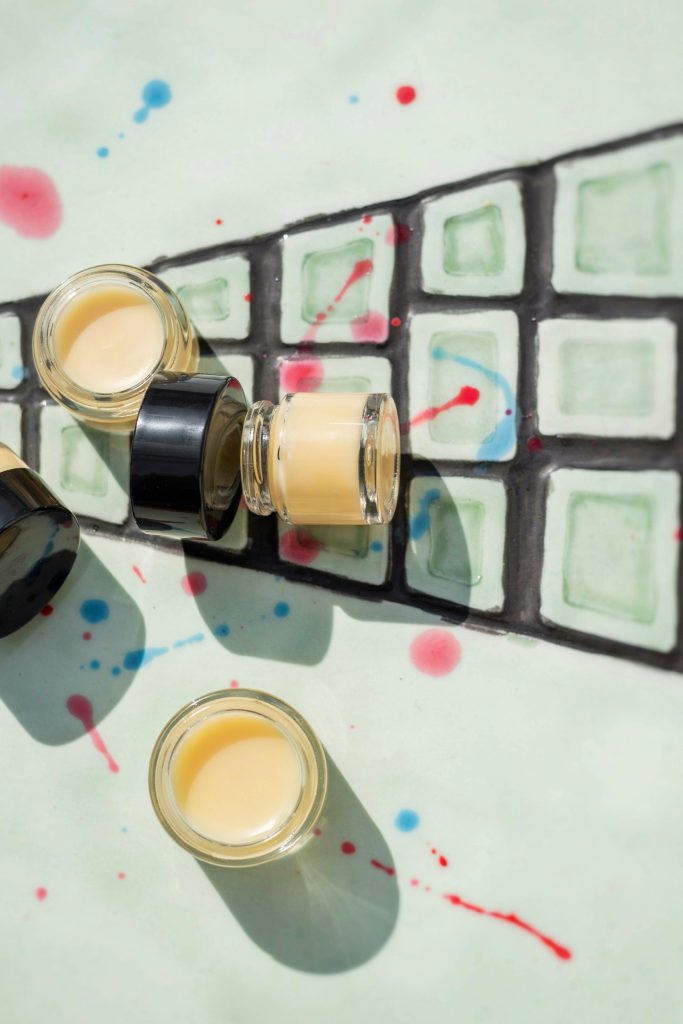
If you have tried making a DIY lavender sleep balm before only to end up with a greasy mess that smells more like a salad than a calming bedtime aid, you are not alone. I have been there, scraping gritty lavender bits off my nightstand and wondering why my homemade insomnia relief balm did absolutely nothing. A well-made lavender sleep balm is one of the simplest natural home remedies for insomnia, but small mistakes can turn it from a soothing nightly ritual into a frustrating experiment. This guide walks through the most common errors people make when crafting their own essential oil recipes for sleep support, with straightforward fixes so your next batch actually helps you drift off.
Overheating Your Butters and Oils (The Grainy Texture Problem)
This is the mistake I made my first three times, and it cost me a lot of expensive shea butter. When you melt your solid butters too fast or at too high a temperature, the natural fatty acids crystallize as they cool. That leaves you with a balm that feels gritty, like fine sand mixed into the lotion. Not exactly a relaxing texture to rub on your pulse points before bed.
The fix is boring but effective. Use a double boiler or a heatproof bowl over simmering water, and keep the heat low. Stir frequently and remove the bowl from heat as soon as the last solid piece melts. Do not walk away. If the mixture starts to bubble at all, you have gone too far. Let it cool slowly on the counter, not in the fridge. Rushing the cooling process makes the graininess worse.
One more tip: if you are using coconut oil, make sure it is fractionated coconut oil (liquid at room temperature) unless you want a balm that hardens into a rock in winter. Fractionated stays smooth and scoopable no matter the season.
Choosing the Wrong Lavender Variety
Most lavender essential oil sold in craft stores is Lavandula angustifolia, which is great for relaxation and the standard choice for natural sleep support. But I have seen people grab “lavender” that is actually Lavandula latifolia or a blended hybrid called lavandin. These smell sharper, more camphoraceous, and can actually be stimulating rather than sedating. That kind of defeats the purpose of an insomnia relief balm.
Always check the Latin name on the bottle. For a DIY lavender sleep balm, you want Lavandula angustifolia (also called true lavender or English lavender). It has a sweeter, floral profile with calming properties backed by plenty of research. If you want to boost the sedative effect without adding more lavender, blend in a small amount of Roman chamomile or vetiver instead of increasing the lavender dose.
- Lavandula angustifolia – calming, floral, ideal for sleep
- Lavandula latifolia – more camphor, less relaxing
- Lavandin (hybrid) – stronger scent but harsh, can be stimulating
Also, avoid “lavender fragrance oil” labeled as parfume or synthetic. It will not have the same therapeutic properties and may irritate sensitive skin.
Using the Wrong Carrier Oil or Skipping Infusion
A lot of beginner essential oil recipes for balms go straight to mixing essential oils with melted shea butter and calling it done. That works, but you lose out on the extra calming benefit of an infused carrier oil. Infusing dried lavender buds into a carrier oil (like jojoba or sweet almond) before blending adds another layer of herbal support. The infusion pulls out subtle water-soluble constituents that the essential oil does not contain.
If you skip this step, your lavender sleep balm is still effective, but it is like making soup with broth cubes instead of real stock. You can get away with it, but the depth of aroma and potential relaxation boost is weaker.
Here is the simple method: fill a small jar halfway with dried organic lavender buds, pour in jojoba or fractionated coconut oil until the buds are fully covered, then let it sit in a warm spot for two weeks. Shake it daily. Strain through a coffee filter or cheesecloth. Use that infused oil as part of your balm base. It takes planning but transforms your DIY balms from basic to truly special.
One mistake people make is using olive oil. Olive oil has a strong smell that can clash with lavender. Stick with neutral or mild carrier oils like jojoba, sweet almond, or fractionated coconut.
Adding Too Much Essential Oil and Irritating Your Skin
More lavender must mean more sleep, right? Wrong. Essential oils are highly concentrated, and putting too much in your lavender sleep balm can cause skin irritation, redness, or even a burning sensation on pulse points. It can also make the smell overwhelmingly cloying, which is the opposite of relaxing.
The general safe dilution for a balm you apply every night is around 2 to 3 percent essential oil concentration. That means for every 1 ounce (about 30 grams) of total balm base (butters plus carrier oils), you add about 9 to 18 drops of essential oil total. That is not a lot. If you are only using lavender, start with 10 drops per ounce. If you want a blend, keep the total drops under 18.
Here is a simple recipe ratio if you are new to essential oil recipes for sleep:
- 2 tablespoons shea butter (30 grams)
- 2 tablespoons infused jojoba oil (30 ml)
- 1 tablespoon beeswax pellets (15 grams) for a firmer balm, or skip for a softer salve
- 12 drops Lavandula angustifolia essential oil
- 3 drops Roman chamomile essential oil (optional)
Melt the shea, jojoba, and beeswax over low heat. Remove from heat, let cool slightly, then stir in essential oils. Pour into tins. Let harden for a few hours before using.
Forgetting to Test the Balm on Your Skin Before Bed
You would be surprised how many people slather a new lavender sleep balm all over their wrists and neck right before climbing into bed, only to wake up with a rash or an itchy chest. Essential oils, even lavender, can cause allergic reactions or photosensitivity in some individuals. And some carrier oils (like coconut for people with acne-prone skin) may clog pores.
Always do a patch test at least 24 hours before using the balm as part of your insomnia relief routine. Put a small dab on the inside of your elbow or behind your ear. If no redness, itching, or stinging appears within a day, you are safe. Also test the smell. If the aroma is too strong for you at the patch site, dilute the balm with more carrier oil before using it all over.
A related mistake is applying the balm to broken or irritated skin. Pulse points are usually fine, but if you have a cut or eczema patch on your wrist, skip that spot. The balm can sting and may trigger sensitivity over time.
Storing Your Balm Wrong and Shortening Its Shelf Life
DIY balms have no preservatives, so they can go rancid if exposed to heat, light, or moisture. I once left a tin of lavender sleep balm on a sunny windowsill for a week, and it smelled like old walnuts mixed with lavender. That was a waste of good shea butter and essential oils.
Store your balm in a cool, dark place inside a sealed container. A glass jar with a tight lid or a metal tin works great. Keep it in your bedroom drawer or nightstand, not the bathroom where humidity fluctuates. If you use beeswax, the balm will stay solid at room temperature and last about 6 to 12 months. Without beeswax, it may soften and separate more quickly, so use it within 3 to 6 months.
Label your container with the date you made the balm and the ingredients. That sounds fussy, but when you have three tins of similar brownish salves on your shelf, you will thank yourself later.
Not Targeting the Right Pulse Points
You can make the most perfect DIY lavender sleep balm in the world, but if you slather it on your forearms and call it done, you are missing the full opportunity. Pulse points are areas where blood vessels are close to the skin, and they help the essential oil compounds absorb faster and spread into your bloodstream. They also warm up the balm, releasing the aroma right near your nose.
The best pulse points for natural home remedies for insomnia are the insides of your wrists, the hollows of your temples, the backs of your knees, and the sides of your neck (avoid the front where it might irritate your throat). Do not rub it all over your chest unless you are okay with a strong scent right under your nose all night. A tiny dab on each wrist and behind each earlobe is usually plenty for a gentle, steady aroma that lasts a few hours.
One more tip: apply the balm about 10 to 15 minutes before you lie down. Let it absorb and let the scent start working. If you jump straight into bed, the balm may still feel greasy and you will not notice the calming effects until you are already tossing and turning.
Making your own lavender sleep balm is one of the most rewarding projects for anyone interested in natural sleep support. The process is forgiving once you know what to avoid, and a single batch can last you months. Start with a small amount, double-check your lavender variety, and keep your temperatures low. Patch test, store properly, and use it on those pulse points. You will end up with a balm that actually helps you wind down, instead of a shelf full of gritty, disappointing experiments. If you have been putting off trying because you are worried about making mistakes, this is your sign to just do it. Grab some shea butter, a good lavender essential oil, and a small tin. Mix it up with confidence, and let that calm, floral scent carry you into a deeper rest tonight.
#LavenderSleepBalm #DIYBalms #InsomniaRelief #EssentialOilRecipes #NaturalSleepSupport