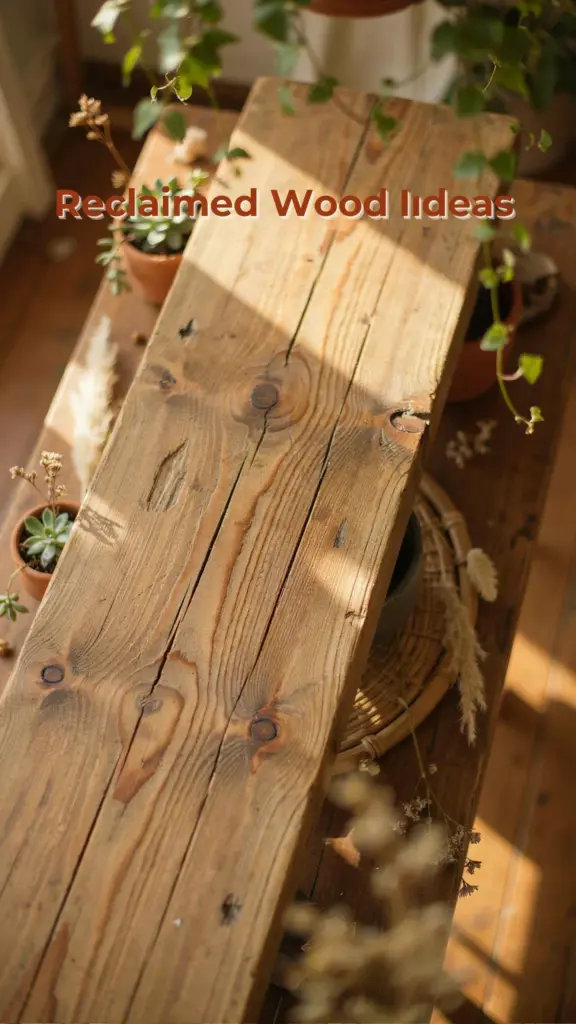
If you have been scrolling through Pinterest lately, you have probably noticed a shift toward natural textures and handmade touches. This spring, more people are swapping out plastic planters for real wood and jute. That is exactly where rustic shelves come into play. These rustic reclaimed wood hanging shelves are not just another decor trend. They offer a practical way to display tiny plants, picture frames, or small treasures without taking up floor space. Made from salvaged wood and braided jute rope, they bring warmth and a bit of the outdoors inside. I have had a pair hanging in my kitchen for a few months now, and they still make me smile every time I walk by.
Why Reclaimed Wood Hanging Shelves Are a Spring Decor Must-Have
Spring is the season of renewal, and nothing says fresh start like bringing new life into your home. These hanging shelves work perfectly with the lighter, airier vibe that many of us crave after winter. The natural grain of reclaimed wood adds character without feeling heavy. And because each piece of salvaged wood is unique, no two shelves look exactly alike. That handmade quality ties right into the current love for imperfect, one-of-a-kind home accessories. If you are looking for a simple way to refresh a room without painting walls or buying new furniture, a set of rustic shelves can do the trick in an afternoon.
Choosing the Right Finish: Tudor Oak vs Medium Brown
The shelves I own are finished in Briwax Tudor oak, which gives them a slightly aged, almost grey-brown tone. It works beautifully with cool-toned walls and pale linens. The medium brown option, on the other hand, feels warmer and richer. It pairs well with terracotta pots and cream-colored frames. Both finishes seal the wood without hiding its natural knots and cracks. If you are unsure which one to pick, think about the undertones in your room. A north-facing room with blue-gray light might lean toward Tudor oak. A south-facing room with golden afternoon sun often suits medium brown. Either way, the finish helps the wood resist dust and minor spills, which is handy when you have plants above a sofa or bed.
How to Style Your Jute Rope Shelves with Tiny Plants
Small plants are the most obvious match for these shelves, and for good reason. Jute rope has a natural fiber look that complements green foliage. Here are a few ways I have arranged mine:
- Trailing plants only. Let a string of pearls or pothos cascade over the front edge. The rope blends in, and the leaves become the main show.
- One statement succulent. A single echeveria or jade cutting on a shelf draws the eye without clutter.
- Mix of heights. Use a tiny ceramic pot on one side and a small glass jar with a cutting on the other. The asymmetry feels organic.
- Add a tiny watering can. Yes, a miniature galvanized can beside a plant adds a playful touch that guests always notice.
Keep in mind that these shelves are not meant for large, heavy pots. Stick to plants that stay under four inches tall in their containers. Your jute rope will thank you for it.
Displaying Picture Frames and Small Treasures
Not everyone wants plants on every shelf. I have one shelf in my hallway that holds a small black-and-white photo in a simple wood frame and a vintage brass bell I found at a flea market. The combination feels personal and collected, not staged. For picture frames, choose ones with a wire or hook on the back that can rest securely on the wood. Avoid frames that are wider than the shelf itself, or they will look top-heavy. You can also rotate what you display with the seasons. In autumn, a tiny pumpkin and a dried leaf. In winter, a small ceramic candle and a pinecone. The open design of hanging shelves makes swapping items almost too easy.
Hanging Tips for a Secure and Level Look
Getting the shelves to hang straight can be a little fiddly, but it is totally doable. Start by finding
#RusticShelves #ReclaimedWood #HangingShelves #JuteRope #HandmadeDecor